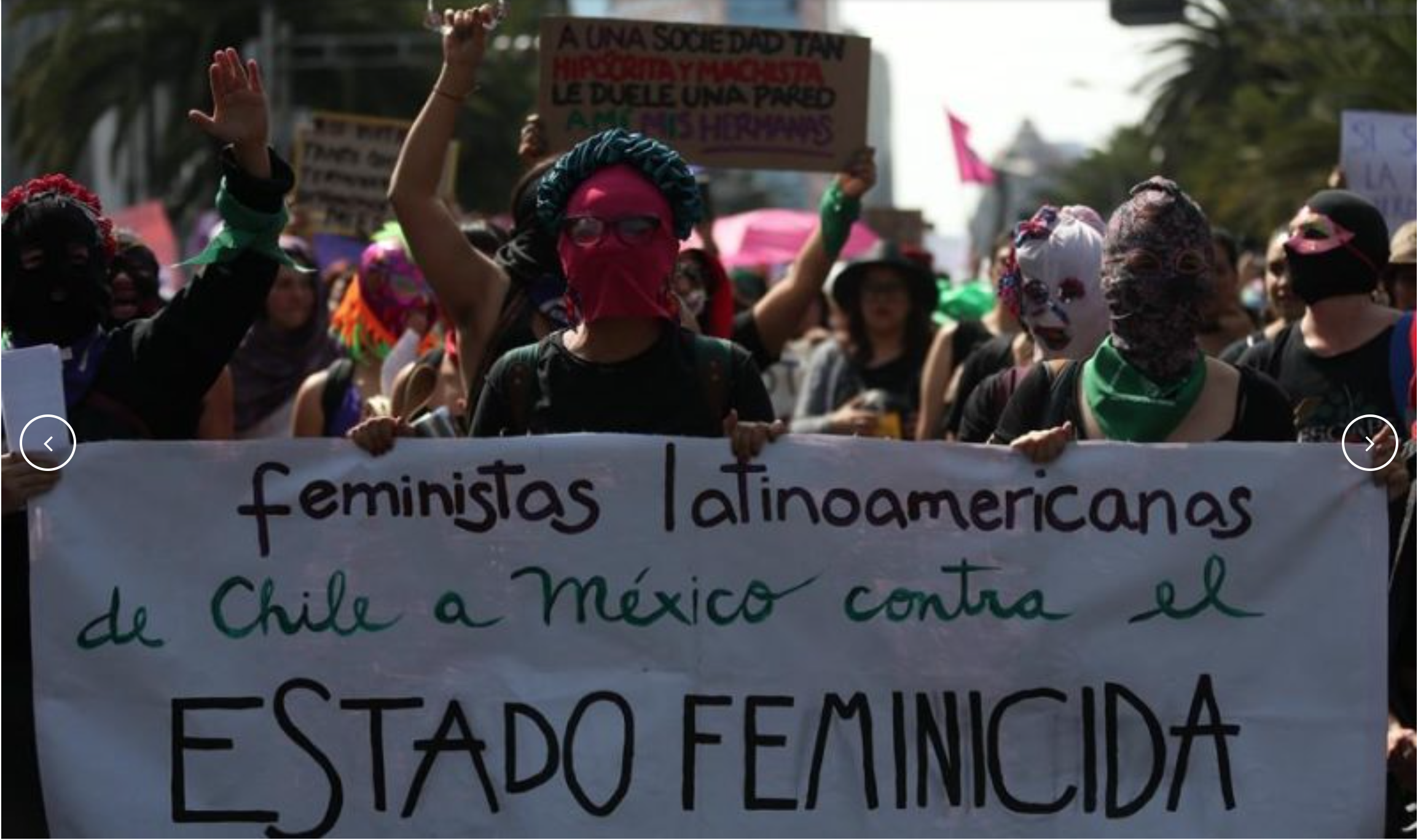
The Objectification of Latin American Women
The first five minutes of watching the Frida Kahlo movie, I was shocked. There were, right away, two sexual scenes. I did not understand why we needed to watch that for class (and it would have been embarrassing if I was caught it in the library watching it). It was explained in class that the objectification of Frida Kahlo is real, that people sometimes choose to focus more on her sexual life than her artistic contributions to the world.
This is a problem that we do not only encounter with Frida Kahlo, it is in fact a problem that all Latin American women face. I remember my first semester in my international high school, where an anonymous person wrote a post explicitly indicating they found Latinas at the school “sexy”. I found this problematic, and disturbing. I felt I always needed to be in the lookout for myself and for my other Latinas. Latinas are fetishized from movies that sexualize Latina actresses, to reggaeton songs that only talk about women’s body parts.
The objectification of Latin American women is not new, it did not arise suddenly because of the media, or the songs, but rather, it is a problem that is translated and expanded in those ways. The objectification of women- in general- does not only remove autonomy from us, but it increases the power to the men, who think they can do whatever they want with our bodies.
Ser latina no me hace exótica, y ser “hombre” no te da derecho de tocarme
#no_mas_feminicidios

Hey Iasa!
This is a great post that brings attention to many issues faced in current day media and real-life issues that are rarely talked about in Latin American countries. It’s a shame that the media and Hollywood seem to fetishize women, especially Latinas as they’re your stereotypical “woman in a bikini” and other similar roles in movies and tv shows. Your comment about being exotic is something I’ve heard repeated plenty of times in movies where they call Latina women exotic and fetishize them for that exact motive. Last year I worked on a paper about femicide across Latin America and how it’s been a huge problem since the Madres de La Plaza de Mayo. In my research, I found that there has been a slight increase in information about femicides but it’s still not a common thing. I remember watching the latest Narcos: Mexico on Netflix and it had a side story about femicide in Juarez which made me pretty happy to see some attention being brought to the topic on mainstream media. Additionally, the presence of social media has helped spread the word about femicides and missing women as smaller grassroots organizations are able to reach more people like the #NiUnaMenos movement against machismo.