Latin American 101


Warning: Undefined variable $categories in /home/iasahate/LAS101.iasahatem.com/wp-content/themes/organic-startup/content/loop-blog.php on line 18

Creative Prompt

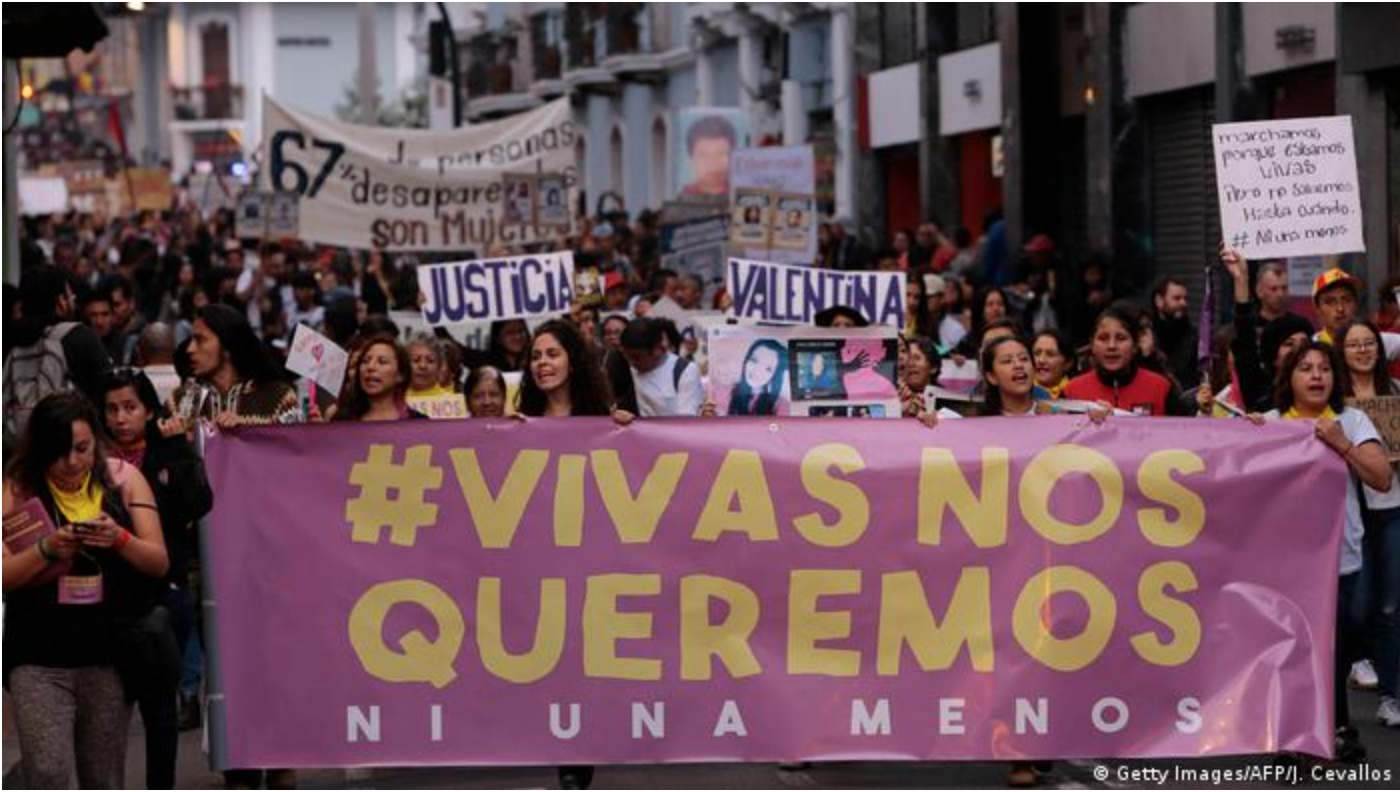
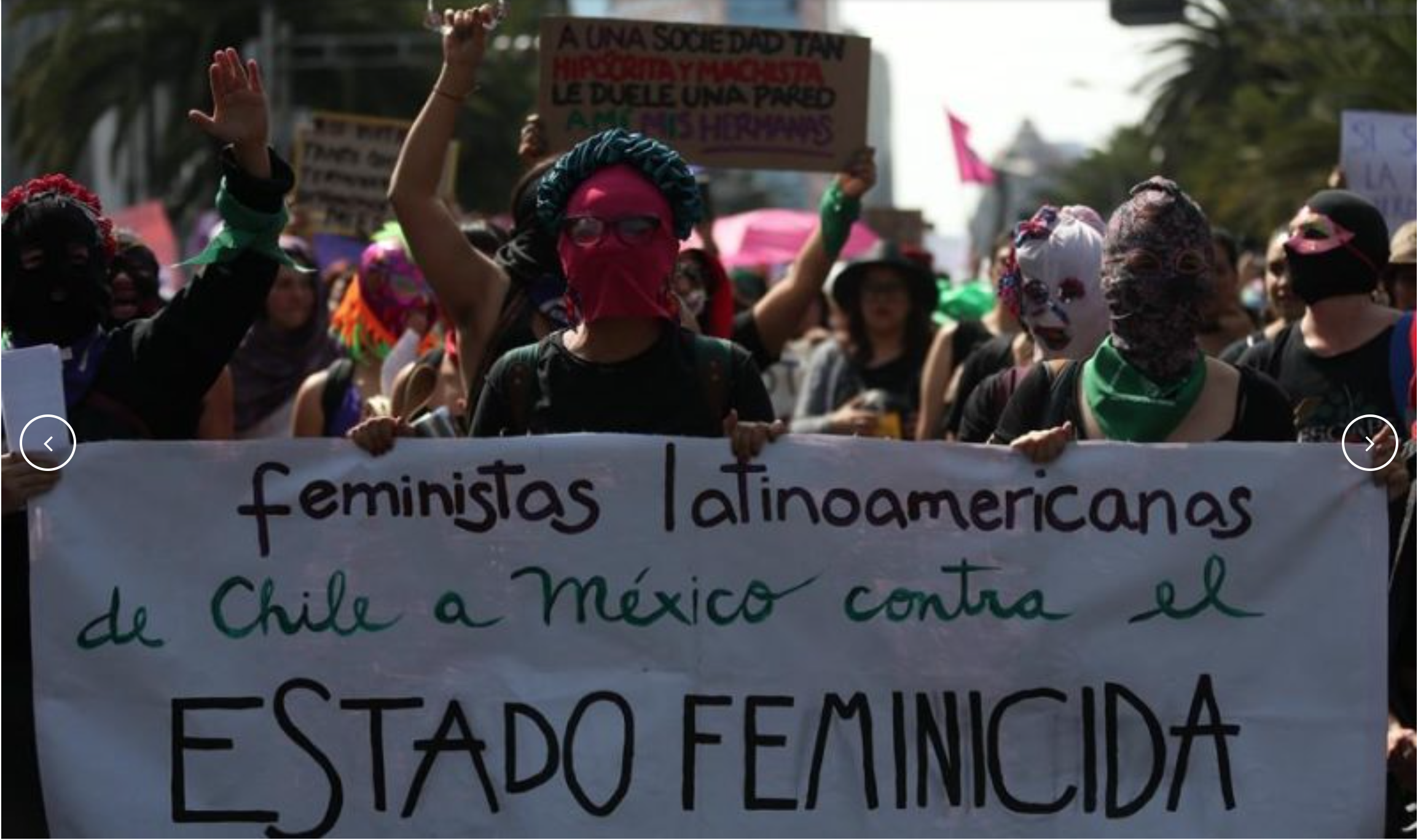
Taken from https://efeminista.com/feminicidio-mujeres-latinoamericanas/

The Objectification of Latin American Women

The first five minutes of watching the Frida Kahlo movie, I was shocked. There were, right away, two sexual scenes. I did not understand why we needed to watch that for class (and it would have been embarrassing if I was caught it in the library watching it). It was explained in class that the objectification of Frida Kahlo is real, that people sometimes choose to focus more on her sexual life than her artistic contributions to the world.

This is a problem that we do not only encounter with Frida Kahlo, it is in fact a problem that all Latin American women face. I remember my first semester in my international high school, where an anonymous person wrote a post explicitly indicating they found Latinas at the school “sexy”. I found this problematic, and disturbing. I felt I always needed to be in the lookout for myself and for my other Latinas. Latinas are fetishized from movies that sexualize Latina actresses, to reggaeton songs that only talk about women’s body parts.

The objectification of Latin American women is not new, it did not arise suddenly because of the media, or the songs, but rather, it is a problem that is translated and expanded in those ways. The objectification of women- in general- does not only remove autonomy from us, but it increases the power to the men, who think they can do whatever they want with our bodies.

Ser latina no me hace exótica, y ser “hombre” no te da derecho de tocarme

#no_mas_feminicidios
Historical Artifact

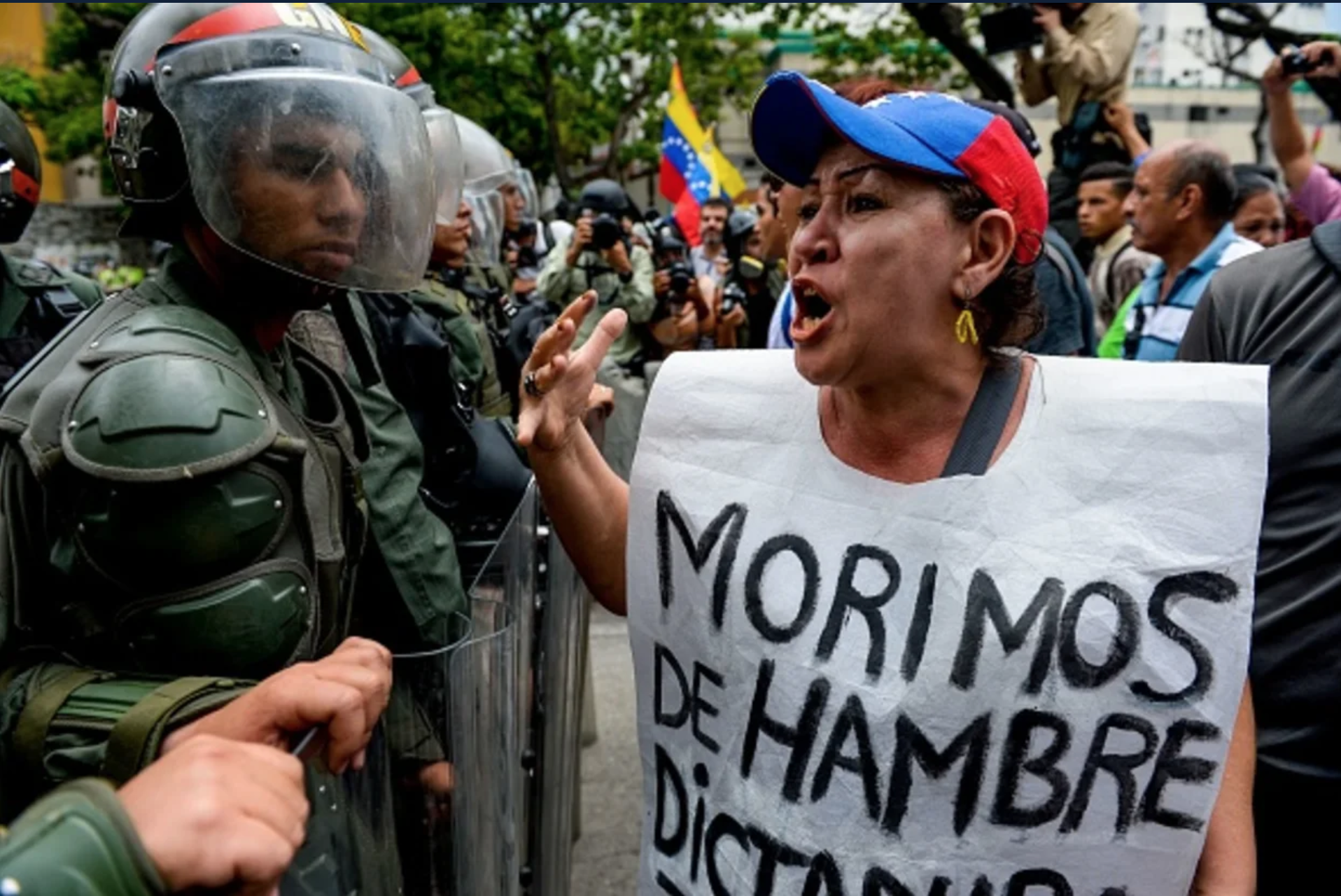
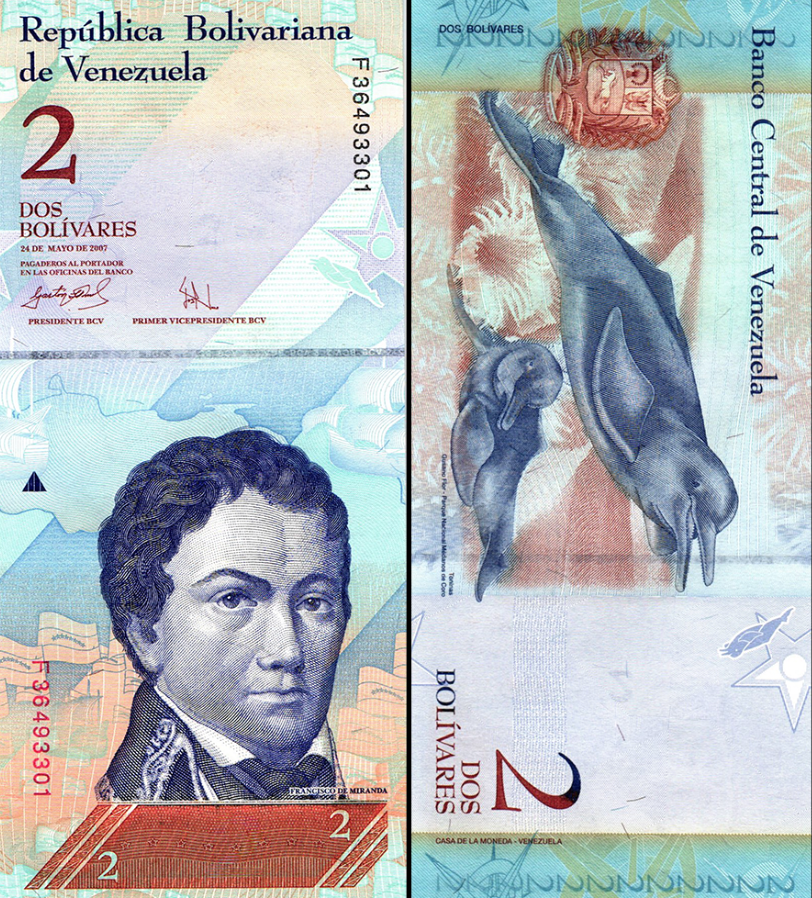
2 bolívares fuertes- ¿Qué se puede aprender de la fortaleza asumida del bolivar?

I have not been in Venezuela for more than a decade. In this decade, my life and the life of the country that gave birth to me have changed a lot. I remember having two-two bolivar banknotes when I was a kid, one of which I still have in my room. Those banknotes, introduced little before I left, were the ones my mom used to give me to go to school. It is a really distant memory now, but I bet I probably bought with it my arepas for a week in my school.

That banknote, is no longer used in Venezuela. From rising to million bolivar bills, to the dolarization of the currency, that banknote only reminds me of the instability, constant change, and uncertainty in the country.

So, how are Venezuelans holding up? With mass migration occurring since 2013, most Venezuelans have someone else outside the country, and the ones who do not, are soon leaving. What can be learned from the strong bolivar? that even the strongest can crumble.

Prompt 5

How frequent and effective have my peer responses been? how many responses have I entered over the course of the semester? what are some examples of my most successful comments? (you must cite yourself) what have I learned from reading my fellow students’ responses?

My responses have not been as frequent as I had expected in the beginning of the semester. However, I made effort into making my responses thoughtful and analytical. I took my time to read the responses of my classmates but also their posts and the comments other had.

One comment I consider thoughtful was on Melanie Sanchez’ comment on her post about Frida Kahlo “I think much of her art can tell a lot about Latin American spirit, much like Calle 13’s Latinoamérica, they both tell the story of the years of oppression, colonization, corrupt systems and authoritarian regimes.”

I learned a lot from the comments of my peers, from Jeremy’s ability to analyze economy talks, to Vianka’s reflection on Harbage Page Exhibition.

Prompt 4

Write about one of the two cultural events you attended. What did you take away from the experience and/or what questions did it raise for you? How relevant was it to our class?

I attended an event talking about gender-based violence and eugenic practices in Guatemala. In the talk, they talked how Ubico- former dictator of Guatemala- implemented eugenics on a racial basis. Ie. he wanted to “whiten” Guatemaltecans and make sure the population did not have disabilities or diseases. Under Ubico, prostitutes (who were women generally more open about their sexuality not necessarily sex workers), rural workers and single mothers were tested for different diseases in fear of them transmitting diseases to their children.

This practice deepened classism in Guatemala, where family mothers would support the persecution of prostitutes so they [mothers] would not be under scrutiny themselves. They also made clear criteria to separate “fit” mothers from “unfit” mothers. Ubico backed up his actions with scientific evidence based on Mendelian and Lamarckian “racial” theories.

In connection to post colonization Guatemala, and what we learned about the importance of family after the separation with the catholic church, we can see clear post-colonial traces of white superiority and the need to have a “better” population so they could fit into the requirements of the new world. I also find interesting how even local presidents from Latin America would treat their own populations slightly better than the colonizers, which could be one of the reasons of the ongoing violence in Latam. Although presidents are from the people, they still exploit their position of power by ensuring population is worse off.

Prompt 3

What did I learn from X’s talk? Do I now think about this issue or topic in a new light? (In particular, point to connections between this guest lecture and the background provided by our Chasteen text or other readings.)

As funny as this may sound, concubinage is not a new concept for me. My mom’s side of the family (all the Venezuelans) have some story related to concubinage. My extended family is really large and it is mainly because of that.

I like the new perspective Prof. Weirtheimer brings into this. As an outsider who probably does not have immediate family involved in this, it is interesting to see how my normalized view of this is not as common to others. It is really interesting to think about this problem in light of sexism- even before the lecture I never thought of it as people I know being more “macho” but rather a normal, consenting act between three adults (or more) who do not mind these dynamics. I never really had thought about the power dynamics implications and how “consenting” adults might be forced into this because stigma and economic status would be the worst case scenario of this happening.

Furthermore, I never knew why Latin Americans have distinctively two last names, and it is conflicting to think that it originated as a matter of pride and social status. And the legal implications down the road, of how in catholic times “law reinforced marriage” but years after independence and moving towards secularism “law reinforced families” which I think has a lot of positive side effects for the children, but has probably detrimental effects on the women, who not only have to endure this on an emotional level, but it also establishes an implicit power dynamic were women have to be silent, submissive, and caring for their children. In this new law that cares for family, really focuses on how women should be the ones holding the family together, while men in this case are making “families” elsewhere.

In the specific case of Gloria and Julio (and many others), we could also see a normalization of pedophilia, that Latam’s women are still victim of until this day. It is common for men to go to younger women (in all places of the world), but in Latam rape cases were around 56,000 cases in 2021, which could be a result of this sort of power dynamic that has been established from centuries since catholicism until the emergence of “secular” systems that only marginalized women further backing themselves up by culture instead of religion.

In the beginning, when I started the reading I was extremely confused as we had really diverted from the original readings (colonization, economics, etc..) but thinking of the implications of concubinage in a larger scale and how it affects social interactions make a lot of sense and I am happy to have had this lecture.

Prompt 2

Choose an historical figure from latin America that interests you who you didn’t know much about before this class.  What was their contribution, and what is their legacy?

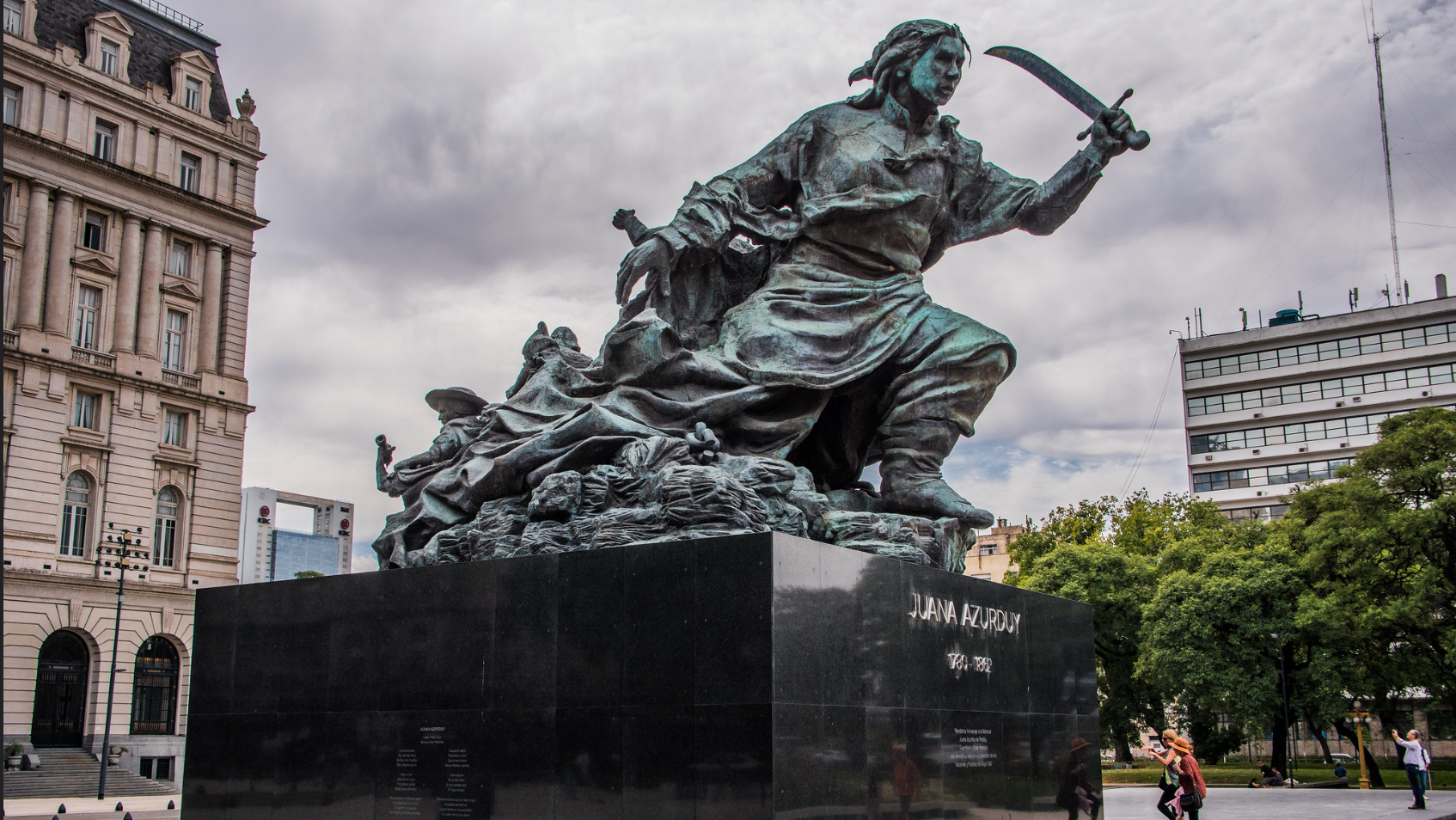
Juana Azurduy de Padilla 1780- 1862 was a Bolivian Guerrilla military leader. It is crucial to mention, Juana was a woman, one of the most prominent woman in Latam history. Born to a Spanish father and indigenous mother, she worked alongside the indigenous laborers in her father’s hacienda. Learning in the process Aymara and Quechua- the local indigenous languages of Perú and Bolivia, as well as speaking Spanish as her mother tongue. She was taught by her father how to become a sharp shooter and other important skills in a battlefield, which was progressive and revolutionary itself in her time.

After her father’s death, her and her sisters were put under the patronage of their aunt, who disliked Juana for her rebelliousness, and threw her into a nun’s school, one she was also kicked out from for her strong and independent personality, as well as idolizing Jeanne D’Arc . Back in her father’s hacienda, she worked with the indigenous people whom she learned from and saw firsthand the oppression, maltreatment and torture the indigenous people would suffer from the Spaniards. She then, became a fierce ally of indigenous rights.

Years later, she and her husband (Padilla) joined the Chuquisaca Revolution of 1809, joining the war of independence in Upper Peru (Bolivia today), as well as leading and recruiting battalions with up to 10,000 of indigenous people and Amazonas. She would dress as a male cavalry officer and gained impressive sword skills (to the point Simon Bolivar would later say Bolivia’s name should be Azurduy and Padilla). What she is most remembered for is having to leave a battle in 1815, to give birth to her son, and legendary return to the battle and continue fighting and capturing the standard of the Spanish defeated forces.

I find it is important to have Latin American inspiring women, in a region that is haunted with femicides and machismo. Really infested with extremist catholicism, Juana was able to go out of her own way to not only create history for herself, but become one of the most important figures in the independence of Bolivia. She in now a symbol of unity between Argentina and Bolivia- and her statue in Buenos Aires replaced Christopher Columbus, in a move I would dare call revolutionary and necessary to move past internalized post-colonization supremacy and to the respect for the real leaders. Leaders like Juana, who inspire Latin Americans to move forward every day.

Prompt 1

What is my idea of Latin America at the start of the course? What are my learning goals associated with LAS 101?

As a Latina far from home, Latam to me is a complicated idea, not only a region. My relationship with Latam is one where I inherited the love for it and the people without the need to live there for long. I had the need to study Latam to better understand my roots, my grandmother and myself, so I joined LAS 101. 

For many, leftist years (yes, I can, along with latinxs I know, certify that leftist is indeed a phase every latinx goes through), I had blamed every single misery of Latam on colonization, sovereignty breaches led by the US (Operación Condor), and the theft of the rich natural resources of the region. I had many discussions with my Venezuelan mother, who disagreed with me quite fiercely, telling me that it is not all outsiders’ blame, but also our people. I saw that she was attacking our people. Slowly, I began to read books to educate myself on the history of colonization, one book that I still remember, ‘How Nations Fail’ talk about how colonization was more complex than simply mass murder and extermination of native peoples, and that although it might have shaped forms of political and economic failure of the Latam status quo, it is also due to the mentality and lifestyle of people who inhibited Latam before us. In my high school, I got the opportunity of being within Latinxs people, for the first time in a long time, where I realized that, even though clumped together, we actually do not share all of the same histories, we did not all go through the same wars. I am an arab-latina who is white passing, while my Chilean friend is Mapuche, my Paraguayan friend is learning Guaraní, and my Guatemaltecan friend has many privileges most Guatemaltecas do not enjoy, my white Brazilian friend has a really different perspective on Brazil than my african-brazilian friend.

The point is, Latam is that: many different countries, many different people and peoples, who all try to coexist with each other. I have this romanticized picture of Latam, but every once in a while someone from our community reminds me it is not always so; it is also a region that suffers from many problems, racism, sexism, femicides, corruption, crimes, leftist authoritarian regimes and political and economic instability.

So that is my goal of taking LAS 101; to balance my romanticization of a region that has suffered a lot and the reality of the status quo. I would like to be able to move forward and appreciate where my grandmother comes from while also learning about what type of lives her parents lived when they were the first generation born after independence.

A lost Venezuelan in search for continent

I am a Venezuelan Syrian who has been trying to find ground for some years. I left Venezuela at 7 years old but never forgot my country. Venezuelan values, palete, and people are written within me. I carry the story of many like me: confused but grounded, far but loving.

css.php