What is my idea of Latin America at the start of the course? What are my learning goals associated with LAS 101?
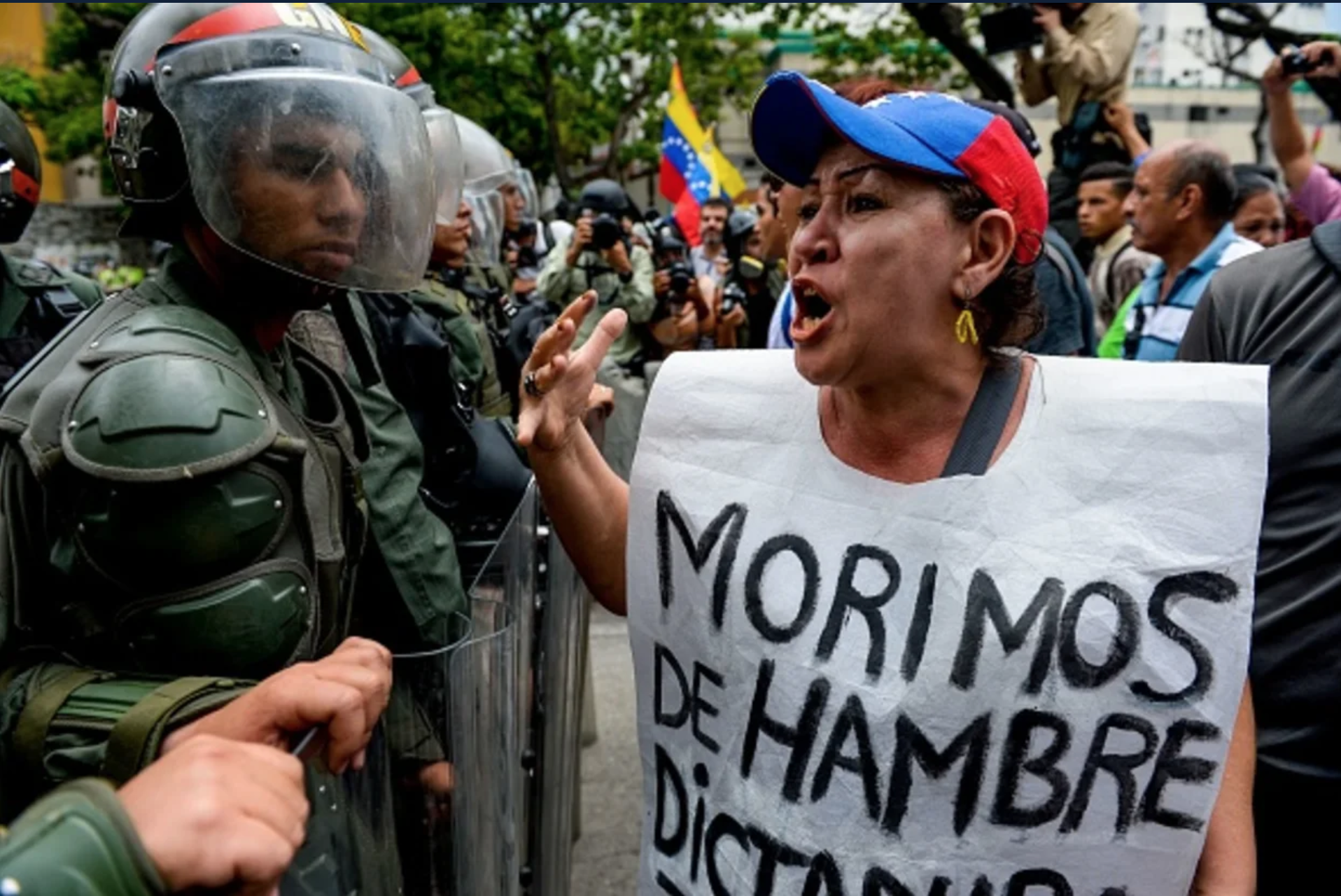
As a Latina far from home, Latam to me is a complicated idea, not only a region. My relationship with Latam is one where I inherited the love for it and the people without the need to live there for long. I had the need to study Latam to better understand my roots, my grandmother and myself, so I joined LAS 101.
For many, leftist years (yes, I can, along with latinxs I know, certify that leftist is indeed a phase every latinx goes through), I had blamed every single misery of Latam on colonization, sovereignty breaches led by the US (Operación Condor), and the theft of the rich natural resources of the region. I had many discussions with my Venezuelan mother, who disagreed with me quite fiercely, telling me that it is not all outsiders’ blame, but also our people. I saw that she was attacking our people. Slowly, I began to read books to educate myself on the history of colonization, one book that I still remember, ‘How Nations Fail’ talk about how colonization was more complex than simply mass murder and extermination of native peoples, and that although it might have shaped forms of political and economic failure of the Latam status quo, it is also due to the mentality and lifestyle of people who inhibited Latam before us. In my high school, I got the opportunity of being within Latinxs people, for the first time in a long time, where I realized that, even though clumped together, we actually do not share all of the same histories, we did not all go through the same wars. I am an arab-latina who is white passing, while my Chilean friend is Mapuche, my Paraguayan friend is learning Guaraní, and my Guatemaltecan friend has many privileges most Guatemaltecas do not enjoy, my white Brazilian friend has a really different perspective on Brazil than my african-brazilian friend.
The point is, Latam is that: many different countries, many different people and peoples, who all try to coexist with each other. I have this romanticized picture of Latam, but every once in a while someone from our community reminds me it is not always so; it is also a region that suffers from many problems, racism, sexism, femicides, corruption, crimes, leftist authoritarian regimes and political and economic instability.
So that is my goal of taking LAS 101; to balance my romanticization of a region that has suffered a lot and the reality of the status quo. I would like to be able to move forward and appreciate where my grandmother comes from while also learning about what type of lives her parents lived when they were the first generation born after independence.

Hi Iasa,
Thank you for sharing such a personal and first-hand account of your experiences and thoughts of Latin America. There are indeed many complex issues that are across all countries in Latin America, but there are also specific problems that are more regional or country-specific. It is easy to romanticize or generalize the region when we do not focus on the nuances that make each country different as each nation experienced a different history that continues to impact its socio and political status till today.
Hey Iasa!
Thanks for sharing your unique perspective! My family is from Mexico so I also share some of the same viewpoints as you but am at a different step in the LatAm romantization than you. I began by somewhat hating and despising LatAm and all it stood for until I came to Davidson. For me, taking LAS courses here has actually helped me find the love for everything LatAm just like you. Davidson can really open your eyes up to the different aspects of Latin America but there is still a need for self reflection to truly understand the diversity that you mentioned.(that leftist phase is such a true thing)
I really loved hearing your story and I think it is important that you mentioned how not all Latin Americans are homogenous. We are all different and carry along different perspectives, stories, and struggles. I also tend to romanticizes Latin America, and more specifically Peru since my parents are both from there. From a young age I was deeply connected to my country and I thought I knew everything about it. That was until I grew up and realized there are a lot of problems in our countries that we do not speak of or try to fix. I chose this class to get a better understanding of those problems and also learn the history since I do not think we can come up with solutions without fully understanding the problem at hand.